JOIN US
Join our community!
Sign up to our newsletter to hear about the latest
special offers and news, exciting projects and events.
Welcome to the world of Beaumier.


{{responseMessage}}
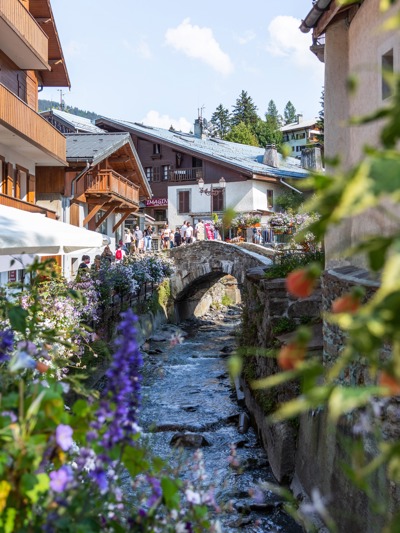
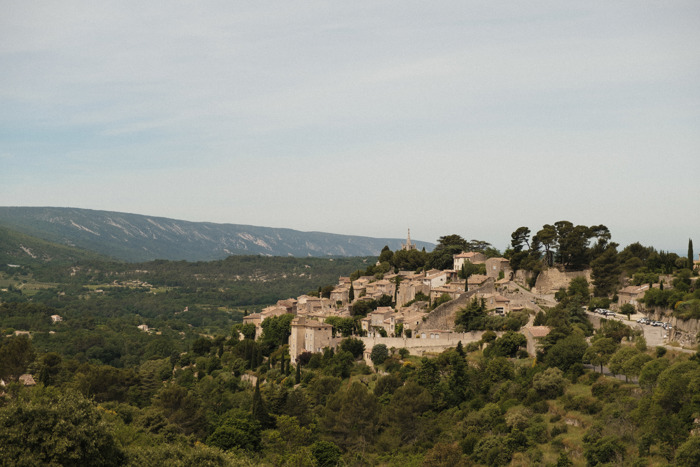
Megève does not look like a ski resort. It looks like a village, because it is one, and was one long before the first lift went up. The lanes are cobbled. The church tower is medieval. Horse-drawn sleighs still wait on the main square in January and nobody finds this remarkable. What changed, in the 1920s, was the arrival of a Rothschild with a taste for St Moritz and no intention of going back. What followed was a mountain village that learned to do elegance quietly. The things to do in Megève still reflect that: a morning on Mont Blanc, an afternoon spent doing very little, a dinner that runs longer than planned.
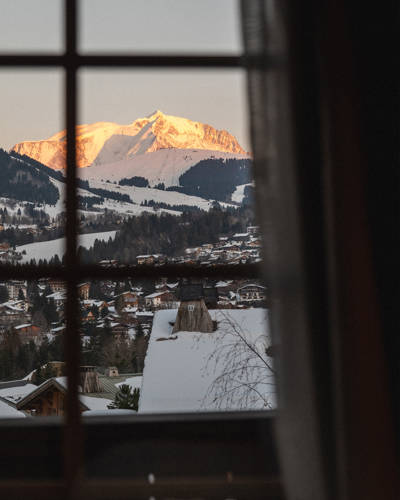
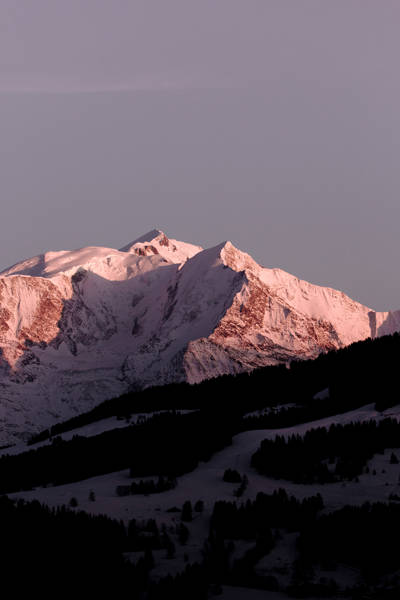
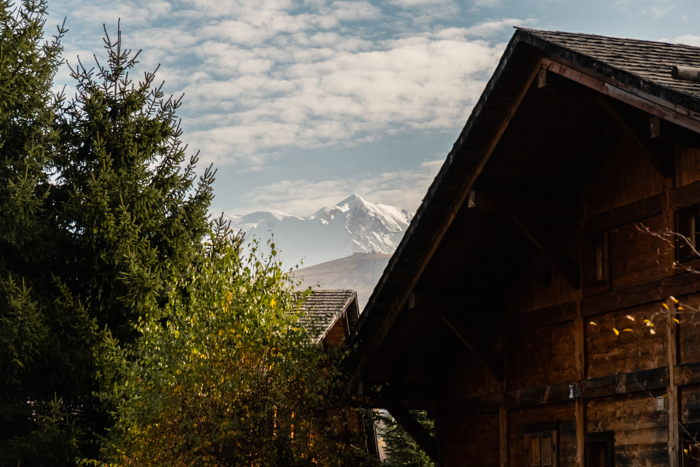
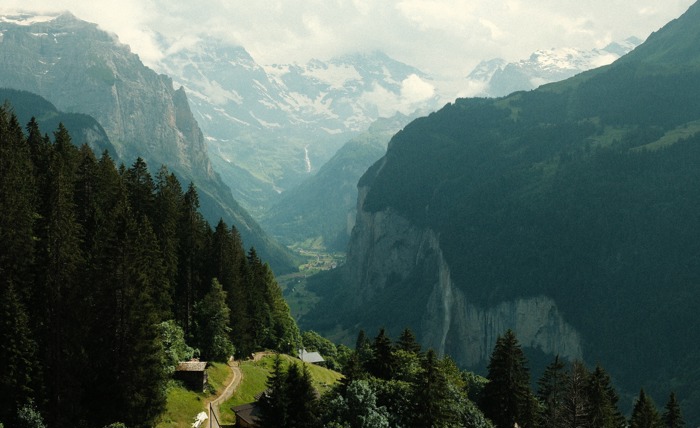
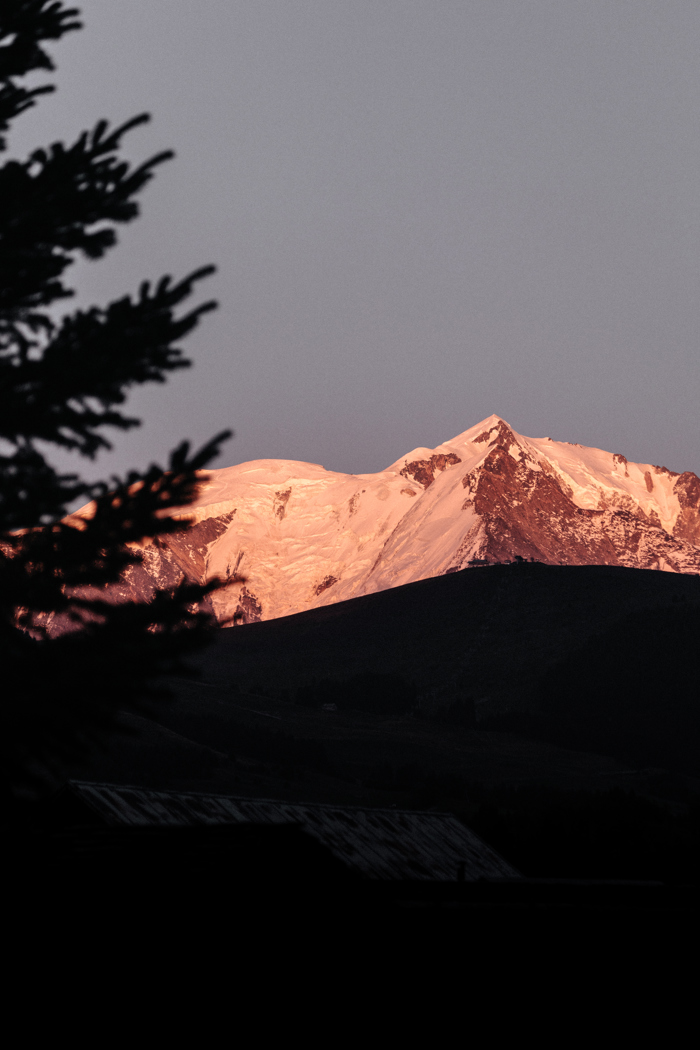
Altitude is not the argument here. At 1,113 metres, Megève sits lower than most French resorts, and its slopes look across at the highest mountain in western Europe rather than trying to rival it. What it offers instead is a village that functions all year: bakeries that open in June, a square that fills at six, a working parish church rather than a purpose-built centre.
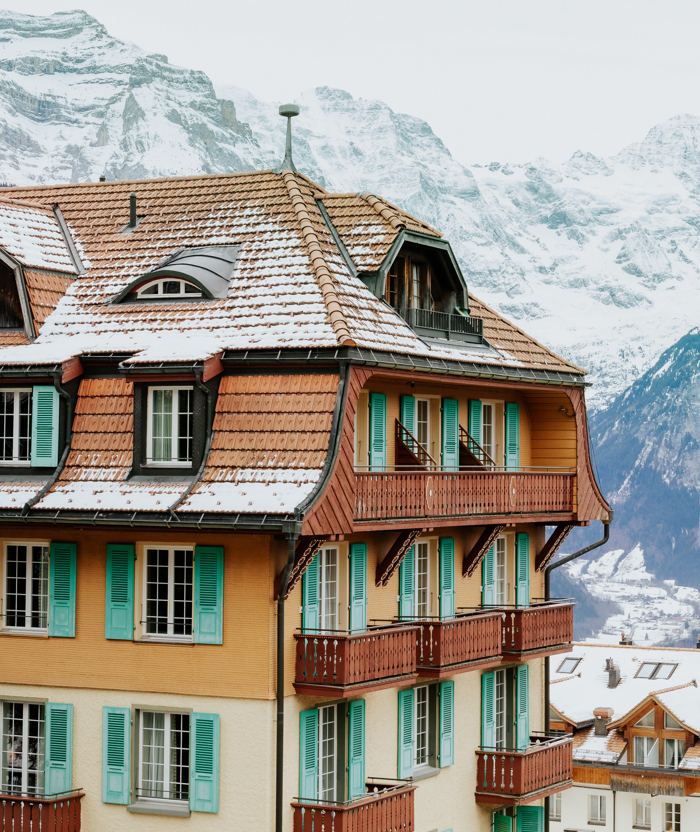
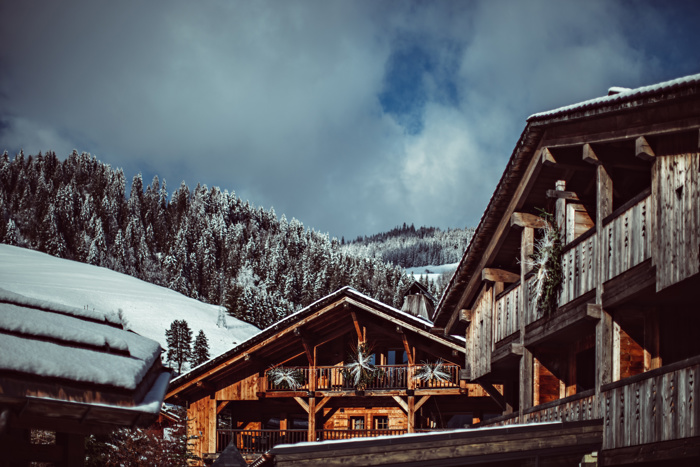
Much of what you see is the work of one architect. Henry Jacques Le Même arrived in the 1920s and spent five decades defining what a chalet should look like: low roofs, wide eaves, pale wood, no theatrics. Half of the Alps has been copying him ever since.
The village earned its nickname of the little Switzerland of the Alps somewhere along the way, and it has kept the manner that goes with it. Cashmere at breakfast. Fur on the terrace. Nobody in a hurry.
The centre is pedestrianised and small enough to cross in ten minutes, which is not the point. The point is the stopping.
Start at the Église Saint-Jean-Baptiste, whose bell tower has been keeping time over the square since the Middle Ages. From there, the Chemin du Calvaire climbs gently towards the Mont d'Arbois plateau through fifteen chapels and oratories built in the early 19th century, the only site in France listed as a European Sacred Mount. It takes about 45 minutes on foot. Go at the end of the day, when the light drops behind the Aravis.
Back down, the calèches wait at the Place de l'Église, drawn by horses in summer and harnessed to sleighs once the snow arrives. It is a slow way to see the village and rather a good one.
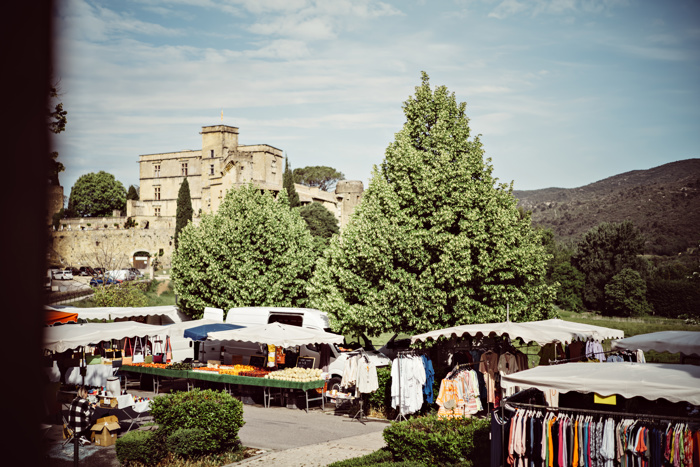
The shopping deserves a visit of its own: jewellers, ski outfitters, art galleries and Savoyard antique dealers within a few streets. Set aside a morning. And before you leave, the glaçons de Megève, praline wrapped in fine meringue, made by the same family of confectioners for over a century.
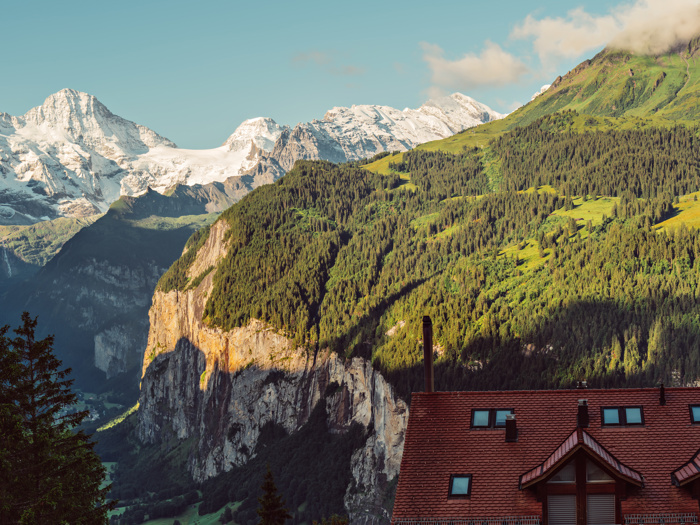
Megève's ski area is called Évasion Mont-Blanc, and it links the village with Saint-Gervais, Combloux, La Giettaz, Saint-Nicolas-de-Véroce and Les Contamines. More than 400 kilometres of piste, most of it tree-lined, almost all of it facing the Mont Blanc massif.
It is divided into three sectors. Rochebrune is the historic one, reached by cable car from the village. Mont d'Arbois is the largest and the one most skiers gravitate towards. Le Jaillet is the quietest, with the finest views of the massif and a habit of catching the afternoon sun.
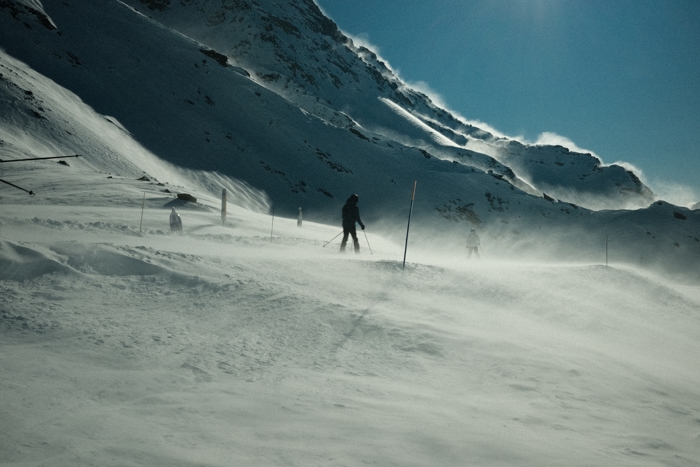
The skiing is gentle by Alpine standards. Long blues, wide reds, tree runs when the weather closes in. Nobody comes here for couloirs. They come for the lunch at the top of them.
A good half of Megève's winter visitors never buy a lift pass, and the village is arranged accordingly.
Sledges leave from a spot on the Mont d’Arbois plateau, reached on foot, and the only sound is the snow under the paws. Bookable from morning to dusk.
Crampons, axe and a frozen waterfall — the nearest site is in Chamonix, not Megève itself. Guided, and less alarming than it sounds.
Megève has several groomed toboggan runs in the Jaillet area, floodlit into the evening.
Oversized tyres, groomed trails, no experience required. The same operators run electric mountain bikes and snow scooters
Ten to fifteen minutes above the snowfields, with a take-off on skis when conditions allow.
For strong skiers, the descent from the Aiguille du Midi through the glaciers of the Mont Blanc massif is one of the great days out in the Alps. A guide is not optional.
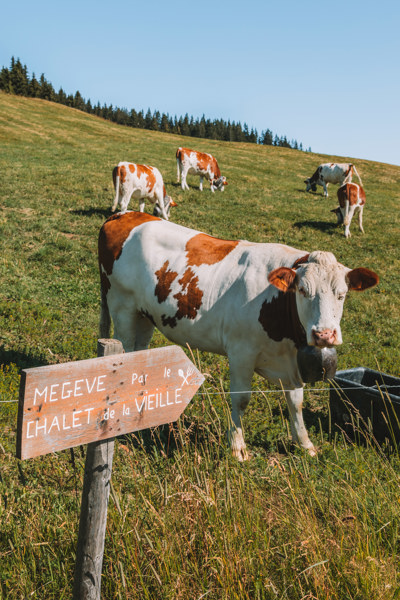
The lifts reopen in June and the mountain changes character entirely. Meadows, cowbells, wildflowers, and an emptiness that winter never delivers.
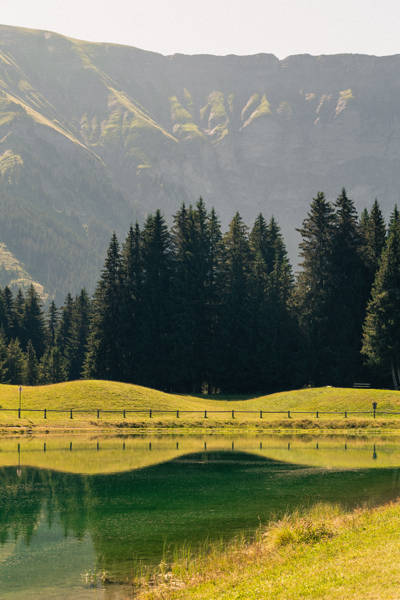
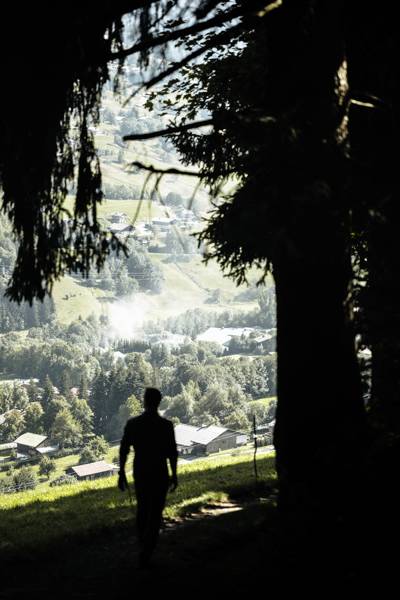
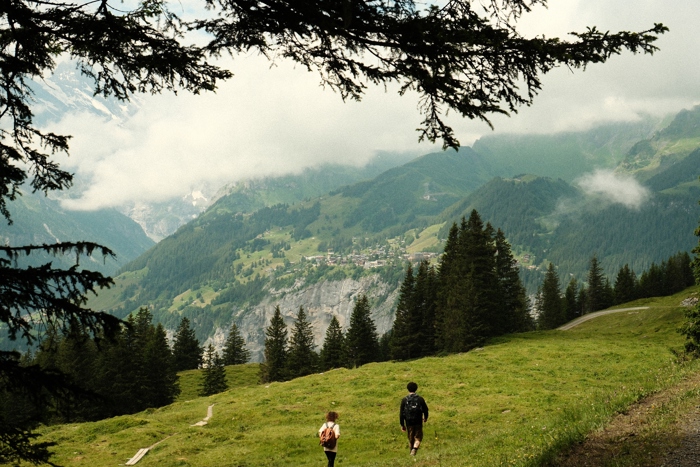
The Pays du Mont-Blanc is walking country, with trails from gentle valley loops to full-day traverses. The path to the Lac de Javen is the one to do with a picnic and no particular ambition.
The 18-hole course at Mont d'Arbois opens from May and sits among the highest in Europe. Mont Blanc is visible from most of it, which does nothing for concentration.
Flights depart from Praz-sur-Arly, early in the morning around 7am. The basket lifts to around 2,000 metres and the French, Swiss and Italian Alps unfold at once. Champagne on landing, as tradition demands
The Arve, the Dranse and the Doron run fast and cold through July. Departures from Passy, about 25–30 minutes by car, and from Chamonix, suitable from about seven years old
The simplest way to cover the trails above the village without earning every metre of it.
Walking the alpine paths with a sled dog harnessed to you. Improbable, and one of the things guests talk about afterwards.
The summer flights are longer and softer than the winter ones, with the whole valley green beneath you.
Megève takes eating seriously. There are Michelin stars in the village (Vous et Flocons de Sel), mountain restaurants that require a cable car to reach, and a Savoyard tradition of melted cheese that no amount of refinement has managed to displace.
For lunch on the mountain, the terrace at the top of the Rochebrune cable car is the classic: grilled meat, a glass of Roussette, Mont Blanc directly opposite.
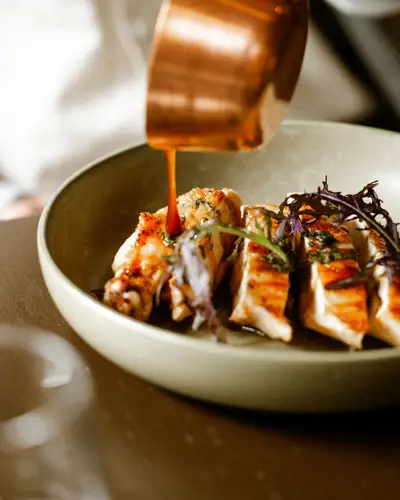
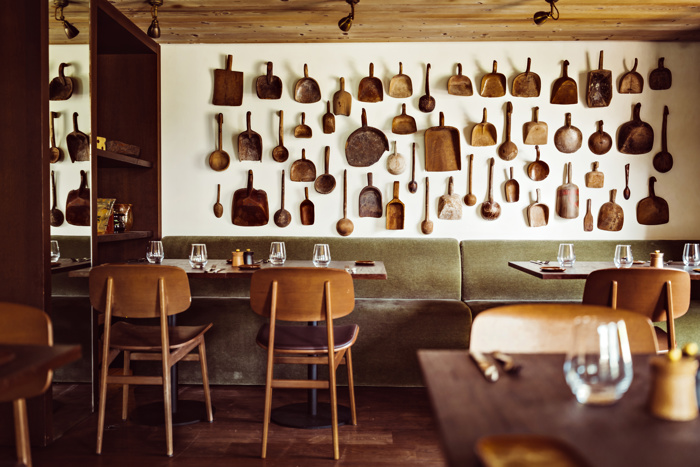
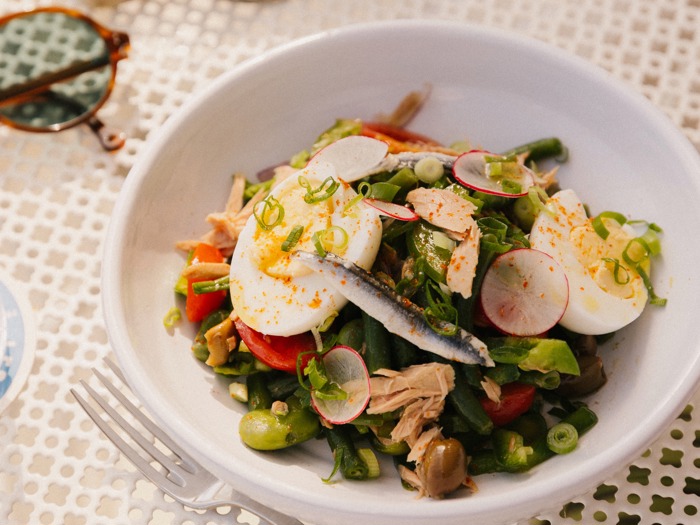
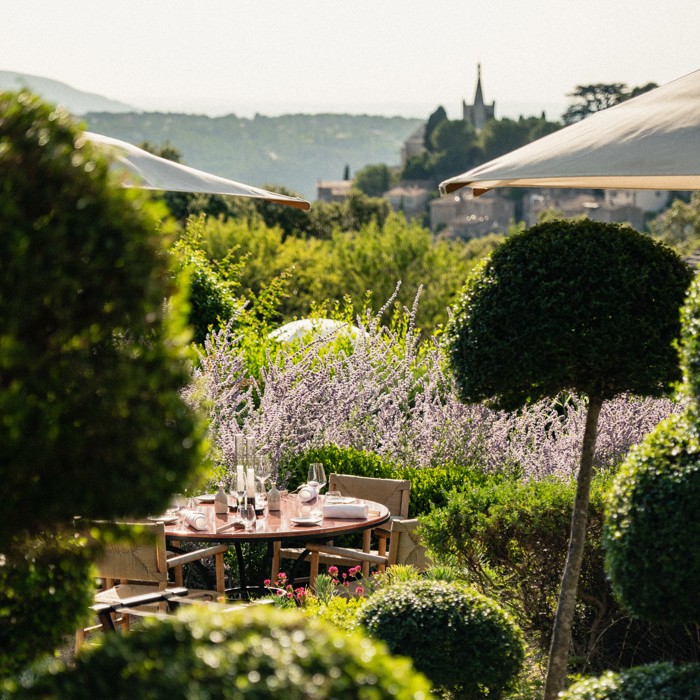
Down in the meadows, Le Bistrot de L'Alpaga reads Savoyard cooking through a lighter lens. Raw wood chairs, velvet banquettes, a room built for winter evenings. The kitchen leans on Haute-Savoie producers: cured meats from Maison Baud, trout smoked in house, Beaufort and reblochon from the valley co-operatives. Before dinner, Le Bar de L'Alpaga pours cocktails built from kitchen-garden herbs and local spirits, with the Alps filling the windows.
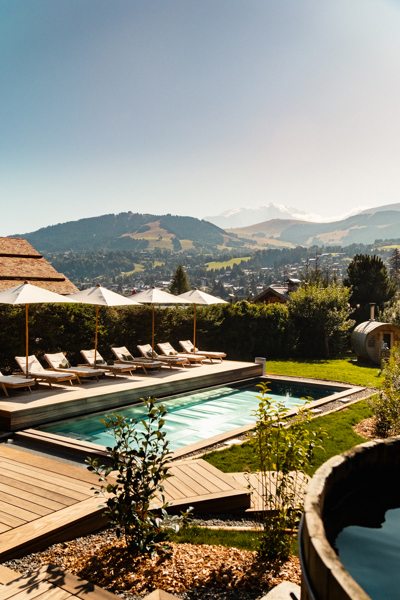
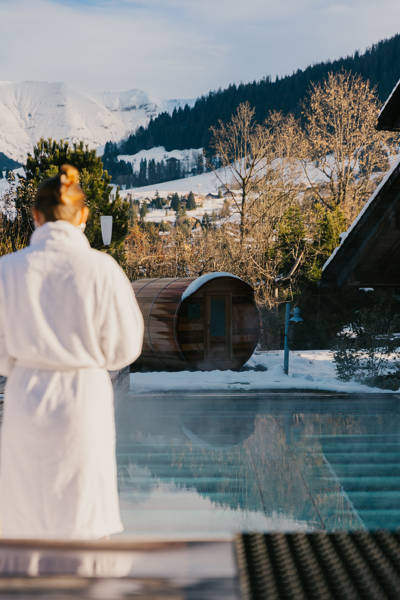
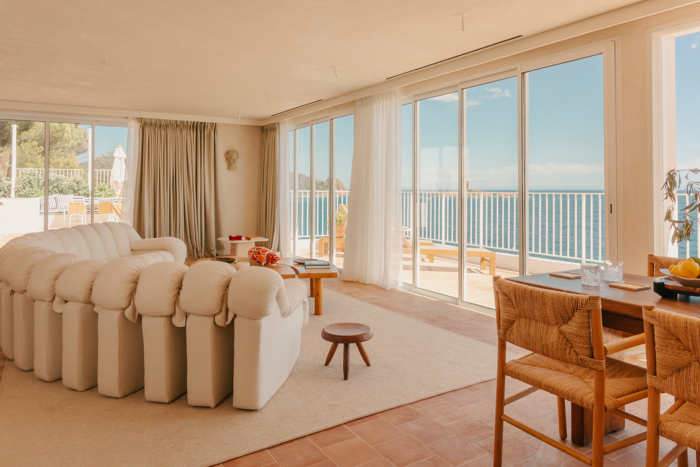
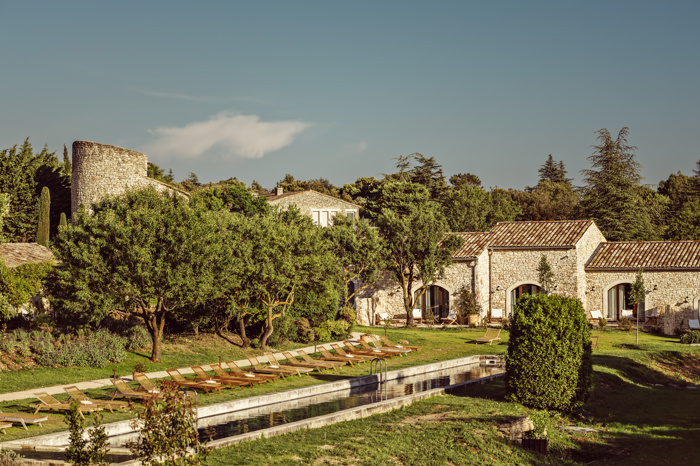
The village runs from family-run chalets to some of the most talked-about addresses in the Alps. For a stay a little outside the centre, L'Alpaga, a luxury hotel in Megève set among the meadows below Mont d'Arbois puts the slopes and the village both within a few minutes, with a spa, a heated pool and a kitchen garden between the two.
Whatever you choose, book early. Megève sells out for Christmas, February and mid-August a long way in advance.
Geneva is the nearest airport, around 70 kilometres away and roughly an hour and fifteen minutes by road. Transfers are easy to arrange and car hire is available in the terminal, though a car is not strictly necessary once you arrive.
By train, Sallanches is the closest station, twelve kilometres from the village and served by TGV connections from Paris. Annecy is an hour away by road, Chamonix around 35 minutes, Lyon a little over two hours.
Megève is known for being a medieval village rather than a purpose-built resort, for its views of Mont Blanc, for its cooking, and for a certain understated glamour it has carried since the 1920s.
Three to five days is the usual answer. A long weekend is enough to ski, eat well and walk the village. A week lets you reach Chamonix, Annecy and the Aravis without rushing.
Yes, and a large share of its winter visitors do not. Dog sledding, sledging, snowshoeing, spas, shopping and long lunches at altitude fill the days easily.
January and February for snow, July and August for the mountain of flowers, and September for walking with the crowds gone and the light at its best.
This site is protected by reCAPTCHA.